The 8 AM Class Isn't Just Inconvenient — It's Neurologically Stacked Against You
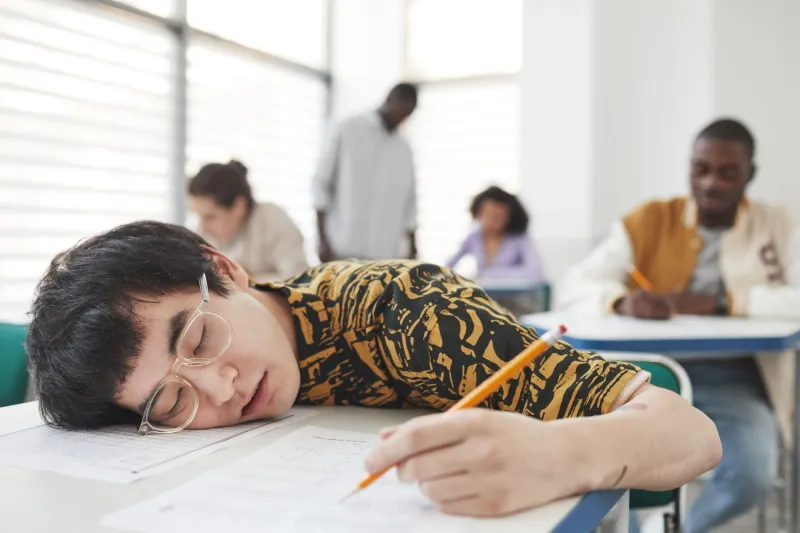
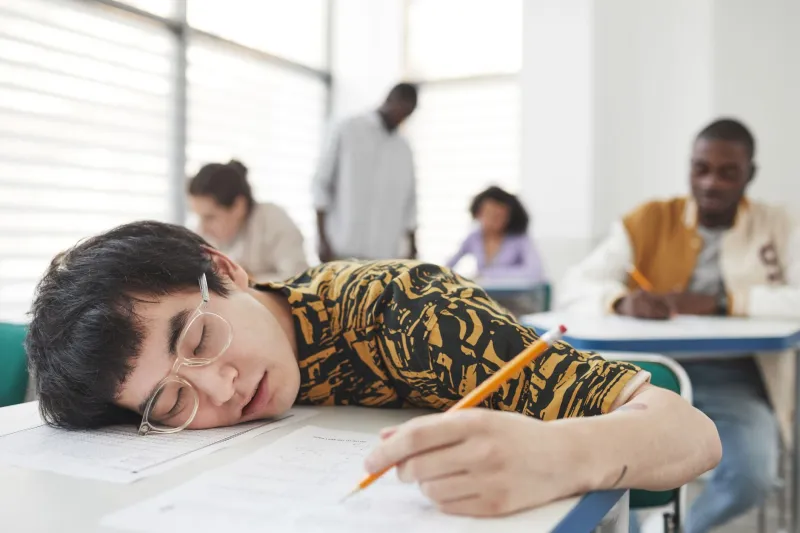
Every fall, millions of American teenagers drag themselves out of bed before sunrise, stumble onto a bus, and sit down in a classroom before 8 AM — sometimes before 7:30. Teachers chalk up the glazed eyes and slow responses to laziness or too much screen time. Parents call it a discipline issue. But neuroscientists have been saying something different for a long time now: this isn't a motivation problem. It's a biology problem.
And the data backing that up is hard to argue with.
What a Chronotype Actually Is
You've probably heard people describe themselves as morning people or night owls. But a chronotype isn't just a preference — it's a measurable biological reality rooted in your circadian rhythm, the roughly 24-hour internal clock that regulates everything from body temperature to cortisol release to when your brain is actually ready to learn.
Your chronotype is largely determined by genetics, though it shifts across your lifespan. Children tend to be early risers. Then something dramatic happens during puberty: the biological clock shifts significantly later. Adolescents — and we're talking about a neurologically driven change, not a choice — naturally fall asleep later and need to wake up later. This isn't teens being difficult. It's melatonin being released hours later than it does in adults or young children, driven by hormonal changes that accompany brain development.
The American Academy of Pediatrics, the CDC, and the American Medical Association have all issued statements on this. The consensus is clear: most teenagers are biologically programmed to fall asleep around 11 PM and wake up naturally around 8 or 9 AM. Running a school that starts at 7:20 AM for this population is, from a neuroscience standpoint, a bit like scheduling surgery for a patient who's still under anesthesia.
The US Has a Particularly Stark Problem
Among developed nations, the United States stands out for its early school start times. According to the CDC, more than 80% of US middle and high schools start before 8:30 AM — the minimum time the American Academy of Pediatrics recommends. Many start closer to 7:15 or 7:30.
Compare that to Finland, consistently ranked among the top education systems in the world, where schools typically start between 9 and 10 AM. Or the UK, where secondary school start times average around 8:45 to 9:00 AM.
The reasons US schools start so early are largely logistical and economic — staggered bus schedules, after-school sports, childcare arrangements for working parents. These are real constraints. But they're administrative problems being solved at a neurological cost that we don't fully account for.
What Happens to Your Brain When It's Forced to Learn in the Dark
Here's what's going on physiologically when a teenager shows up to a 7:30 AM class.
Their core body temperature is still near its nighttime low. Cortisol — the hormone that promotes alertness and focus — hasn't peaked yet. Melatonin, the hormone that signals sleep, may still be active in their system. The prefrontal cortex, which handles planning, reasoning, and the kind of higher-order thinking that school demands, is among the last brain regions to fully come online after waking.
In practical terms, a student sitting in first period is often operating in a neurological state closer to someone who's been mildly sleep-deprived than to someone who's alert and ready to encode new information. And chronic sleep deprivation — which is what early start times effectively impose on adolescents — doesn't just make you tired. It impairs memory consolidation, reduces emotional regulation, increases impulsivity, and weakens the immune system.
A 2020 study published in Science Advances tracked more than 9,000 students across multiple US districts and found that when school start times were pushed back by even 30 to 60 minutes, academic performance improved, attendance went up, and depression and anxiety symptoms decreased. These weren't marginal effects.
The Chronotype Mismatch Problem Doesn't End in High School
College students face a version of this too, though with slightly more autonomy over their schedules. The irony is that the students who choose 8 AM classes because they think it'll be efficient are often the ones most likely to skip them or perform worse in them — not because they lack commitment, but because their biology hasn't caught up with their ambition.
Knowing your chronotype matters here. If you're a genuine night owl — and roughly 25% of people fall into this category — scheduling your hardest cognitive work for early morning is working directly against your brain's peak performance window. Your best focus, fastest processing speed, and strongest working memory capacity are available during your "cognitive peak," which for night owls might be late morning or early afternoon at the earliest.
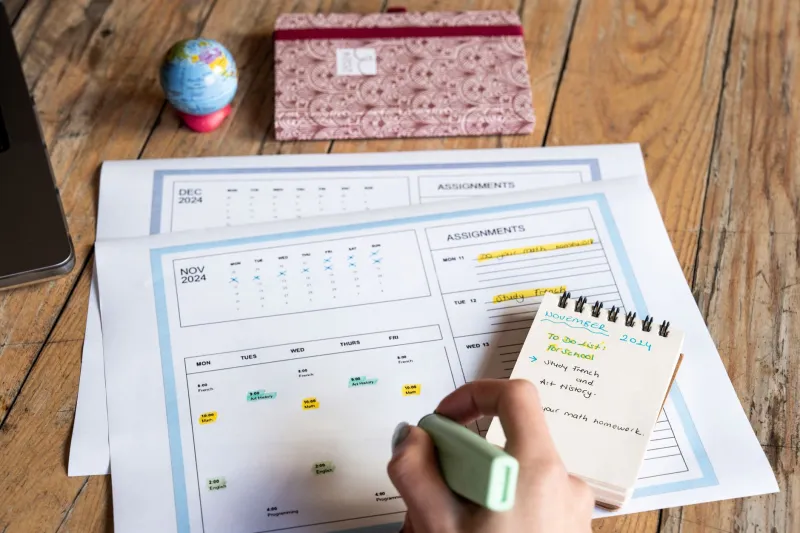
This isn't an excuse to avoid early responsibilities. It's information you can actually use. If you have flexibility in your schedule, protect your peak hours for your hardest material. If you don't have that flexibility, understanding the mismatch at least helps you compensate — with strategic caffeine timing, bright light exposure in the morning to nudge your clock earlier, or extra review sessions during your peak hours to reinforce what you absorbed less efficiently at 8 AM.
What Schools That Pushed Back Start Times Found
The evidence from districts that have actually changed their start times is compelling. Seattle Public Schools pushed their high school start time from 7:50 AM to 8:45 AM in 2016. The result? Median sleep duration for students increased by 34 minutes per night, and grades in first period classes improved by 4.5%. That's a meaningful academic gain from a single scheduling change.
Similar outcomes have been reported in districts from Minnesota to California. The resistance to change is almost always logistical and political, not scientific. The neuroscience has been settled for a while. The implementation is the hard part.
What You Can Actually Do Right Now
If you're a student stuck in a system that starts early, here's what the science says helps:
Get morning light immediately after waking. Light is the strongest signal to your circadian clock. Even five minutes of outdoor light exposure can help shift your biological clock earlier over time.
Don't try to "catch up" on weekends with massive sleep-ins. Social jetlag — the shift in sleep timing between weekdays and weekends — actually makes the weekday mismatch worse. Keep your wake time within an hour of your school schedule, even on Saturdays.
Know when your brain peaks and protect that window. Even if you can't control when school starts, you might be able to schedule your hardest studying for your personal peak hours.
And if you're an educator or a parent reading this: the research is unambiguous. The schedule is the problem, not the students.